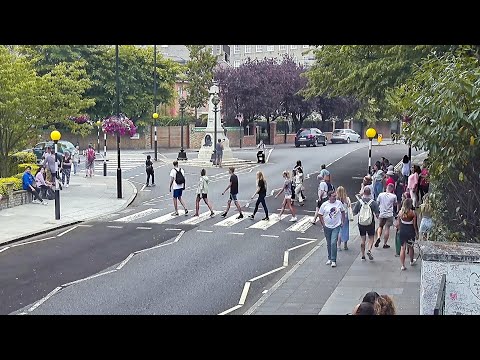
ANN / TV Asahi identifies the feed as a live camera of Shibuya Scramble Crossing in Tokyo. The exact room or mounting point is not disclosed on the video page.
STREAM PAGE
ASIA · CITY
Shibuya Scramble Crossing
Shibuya, Tokyo, Japan
A broadcaster-operated view of Shibuya's scramble crossing. The stream shows how pedestrian density, traffic, weather, and the district's illuminated signs change across the Tokyo day.
SPONSOREDAdvertisement
Ads are served by an external advertising network.
Local timeMon 5 Oct, 09:06 amAsia/Tokyo
SourceANN / TV AsahiLinked to the source page
Status checkCheckingSuccessful results refresh daily
VIEWING NOTES
What to look for
Suggested viewing timeTokyo late afternoon through evening for the strongest change in light and activity.
- Crossing cycles
- Pedestrian density
- Signs and street light after dusk
IN-DEPTH CAMERA GUIDE
A researched guide to the place, view and timing
Reviewed on 2026-08-02 against the stream source and public-authority information. If the live picture or official guidance changes, use those current sources as the authority.
An elevated crossing view focused on pedestrian phases, road traffic and illuminated signs around the intersection. The broadcaster may adjust framing for newsworthy conditions.
Broadcaster-operated public YouTube livestream from ANN / TV Asahi.
OperatorANN / TV Asahi
Best transitionTokyo late afternoon into evening
Best used forCrossing cycles, density and weather
Reading the scramble cycle
The scene alternates between vehicles moving through the intersection and pedestrians entering from several corners at once. Tokyo's official tourism guide describes five separate crossings and says that up to about 1,000 people can cross at a time, but the number changes sharply with local time, weather and events. The camera is best used to compare cycles and density, not to produce a precise headcount.
The strongest Tokyo viewing window
Daylight makes lane markings, umbrellas and individual movement easiest to read. Late afternoon into evening is the strongest overall window because pedestrian activity and traffic continue as signs and building lights become dominant. Rain can be visually distinctive through umbrellas and road reflections, but lens droplets or low cloud may reduce clarity. Japan does not use daylight saving, so the Tokyo clock is stable year-round.
Crowds, events and responsible interpretation
Sports results, holidays, severe weather or police crowd management can create an unusual scene. A quiet frame may reflect timing rather than a closure, and a dense frame does not establish that surrounding streets or transport are unsafe. Because the source is a broadcaster, the view may also be reframed during a news event. Use official transport, weather and local-authority information for decisions; this page only adds context to the public picture.
Common questions
Is this Shibuya Crossing camera live now?
Use the status badge above. If it is not marked live, open the broadcaster's source page because YouTube stream IDs and schedules can change.
What time is Shibuya busiest?
There is no single guaranteed hour. Weekday commuting, evenings, weekends, weather and events all change pedestrian density.
Can I check whether Shibuya Station is operating normally?
No. A street camera cannot confirm railway operations. Use each railway operator's official service information.
KEEP EXPLORING